Posts tagged arduino

AZ ready for world domination

1

It took us a while, but prac­tice makes per­fect, and we’re now much closer to ridi­cul­ing Justin Bieber than we’ve ever been before!

You might have noticed what derived from our Res­i­dency @ Espaço do Tempo, a dozen projects from sev­eral folks spread over the 3 labs explor­ing the robotic, the inter­ac­tive, the sen­so­r­ial, the tan­gi­ble, the gen­er­a­tive, the audio­vi­sual, the aug­mented, the provoca­tive, the per­for­ma­tive and a few other of all those dirty lit­tle words you so much secretly love hear­ing about. Don’t be shy now. Noth­ing wrong with get­ting a lit­tle tan­gi­ble now and again. ;)

We even par­tic­i­pated in a lit­tle exhibit last month at Pavil­hão Atlân­tico to present these and a cou­ple other works. And now we’re back with more weapons of mass destruc­tion. And now, this very week­end we’re meet­ing up again for some hol­i­day hack­ing follery at LCD to show some more of our projects and do a few mini-sprints. Feel free to join us. Lock up your geeks, we’re com­ing for them!

(more…)

Call for developers

3

For those who have been present at alt lab meet­ings know by now that I’m cur­rently devel­op­ing a 3D Laser Printer.

Laser pro­jec­tion

As far as elec­tron­ics every­thing is almost good to go with some minor tweaks, but I’m fac­ing a giant prob­lem now. I  don’t have time to develop soft­ware for this pet and I don’t want it to be delayed for much longer than it already has been, so I’m request­ing for kind hearted devel­op­ers to step up and help me in this task.

Any help is wel­come please con­tact me to lj dot marques@fct dot unl dot pt (replace “dot” for “.”).

Cur­rent device

Please adress this Git Hub repos­i­tory for your kind code donations:

http://github.com/Reonarudo/O3DLP

Expla­na­tion of device components.

PAPERduino’s design

5

This is a fully func­tional ver­sion of the Arduino. We elim­i­nated the PCB and use paper and card­board as sup­port and the result is.. the PAPER­duino :D

This is the the first ver­sion of the lay­out design, next we will try more designs, and other mate­ri­als. You just need to print the top and the bot­tom lay­outs, and glue them to any kind of sup­port you want. We hope that you start mak­ing your own boards. If you do, please share your pho­tos with us, we would love to see them ;)

There is no USB direct con­nec­tion, so to pro­gram the paper­duino you will need some kind of FTDI cable or adapter. One of this prod­ucts will be fine:
FTDI cable from Adafruit Indus­tries
FTDI adapter from Sparkfun

Down­load PDF

Com­po­nents list:
1 x 7805 Volt­age reg­u­la­tor
2 x LEDs (dif­fer­ent col­ors)
2 x 560 Ohm resis­tors (between 220oHm and 1K)
1 x 10k Ohm resis­tor
2 x 100 uF capac­i­tors
1x 16 MHz clock crys­tal
2 x 22 pF capac­i­tors
1 x 0.01 uF capac­i­tor
1 x but­ton
1 x Atmel ATMega168
1 x socket 28 pin
Female and Male headers

Instruc­tions:
Use a nee­dle to punc­ture the holes for your components.

Don’t rush, place one com­po­nent after another and do all the sol­der work carefully.

Fol­low the con­nec­tion lines.

And this should be the final look of your paper­duino connections.

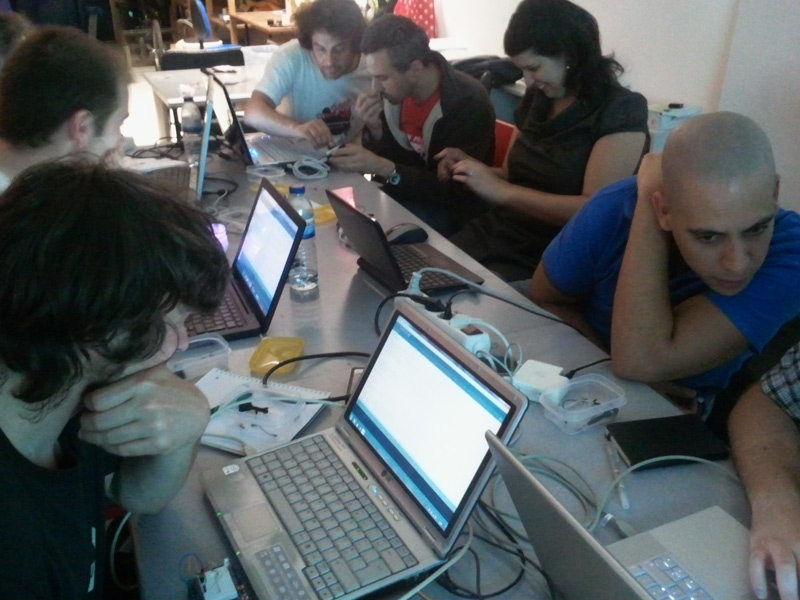
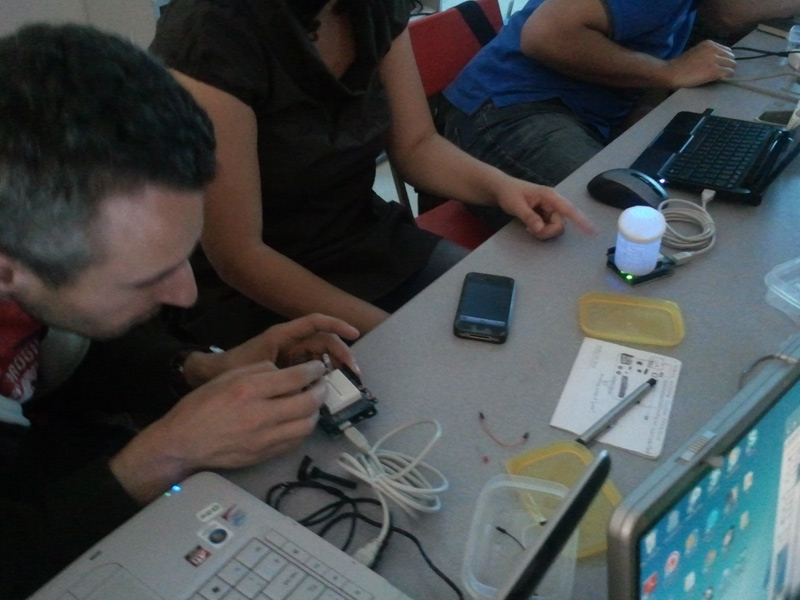
more photos of yesterday evening

0

We had a great time build­ing this electronic/paper pieces, and more are to come pretty soon .)

AltLab opening with paper arduinos

1

We are happy to intro­duce the paper­duino :D

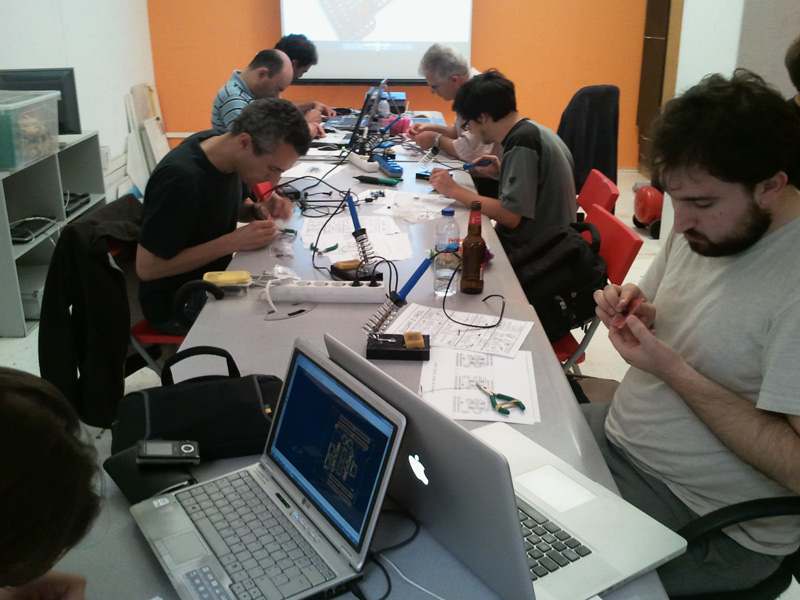
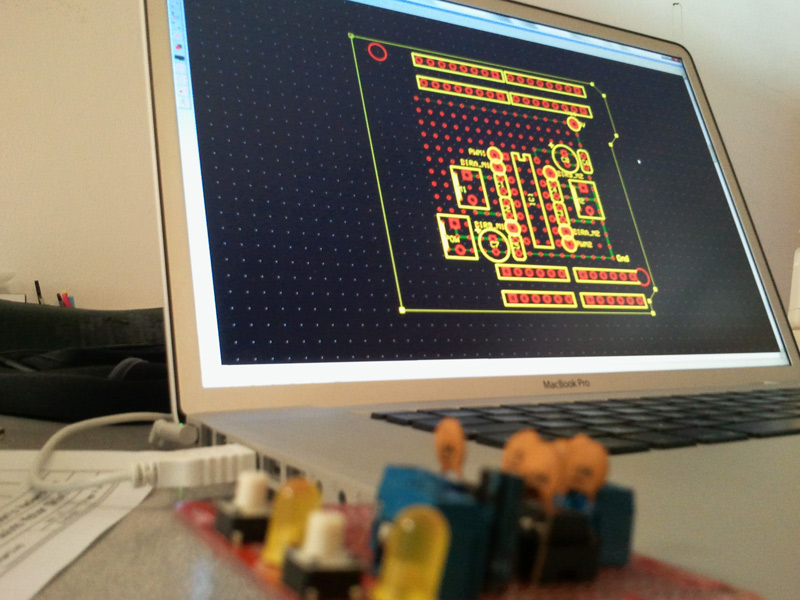
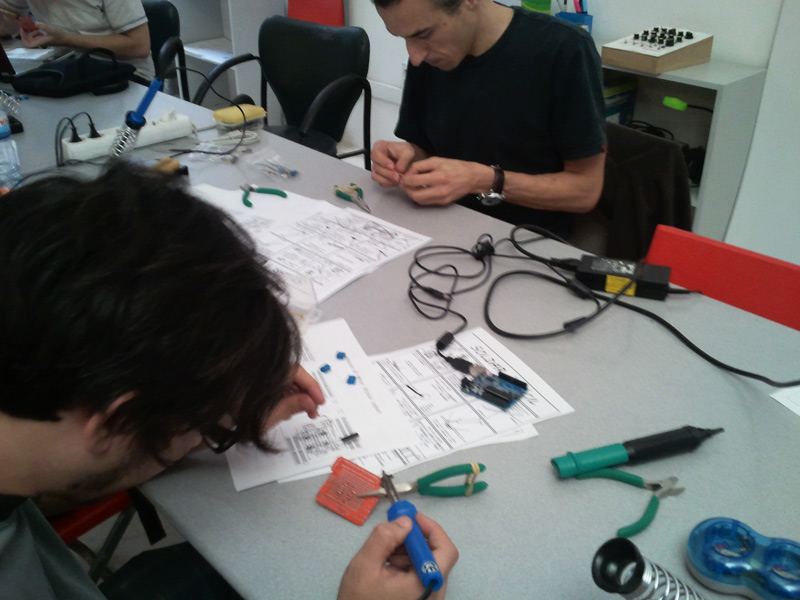
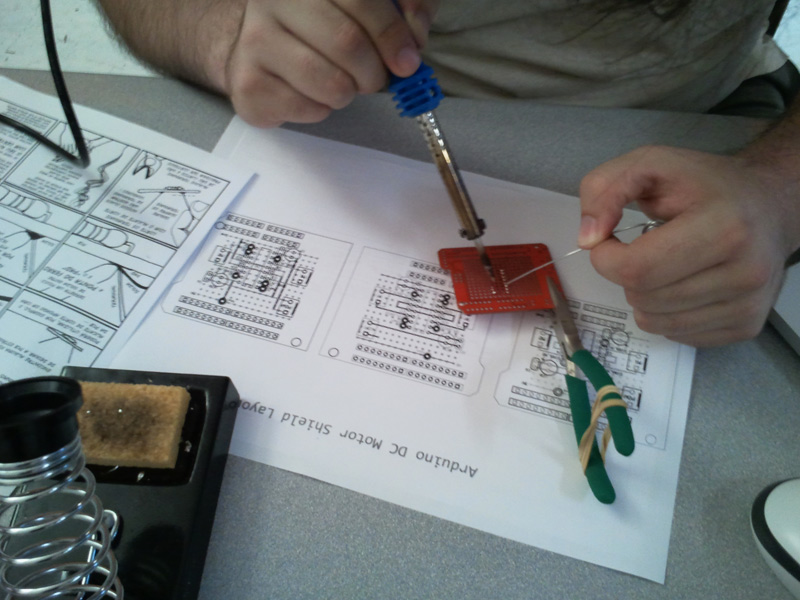
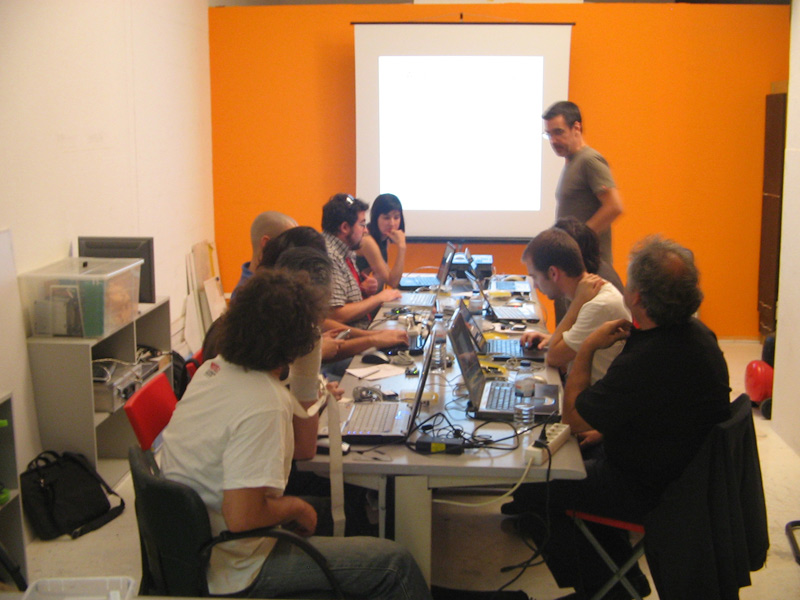
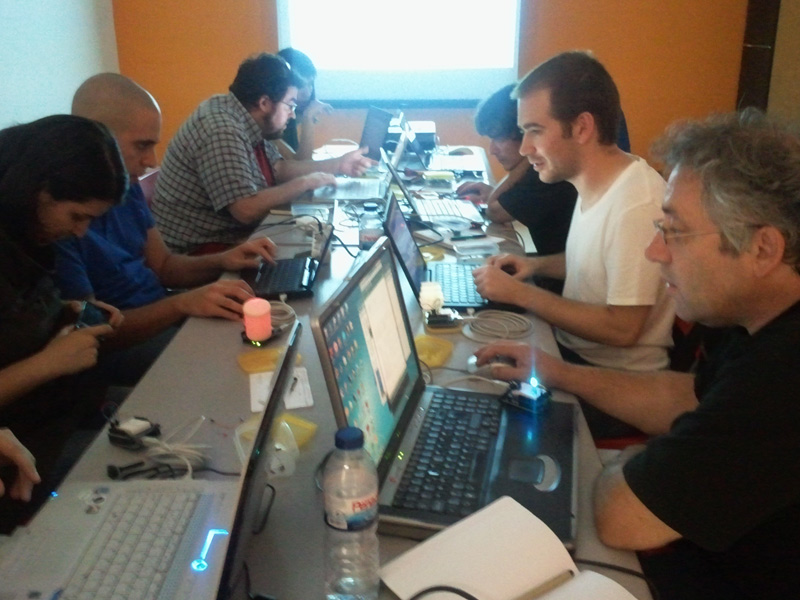
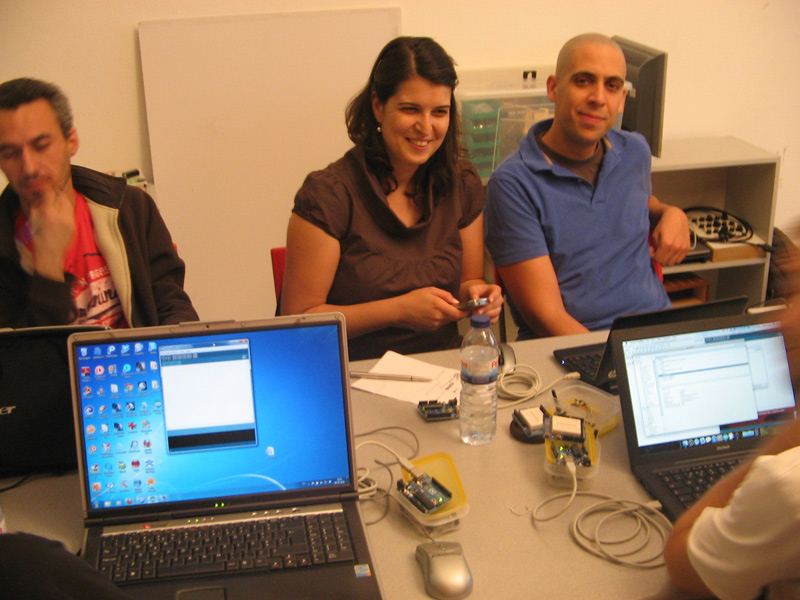
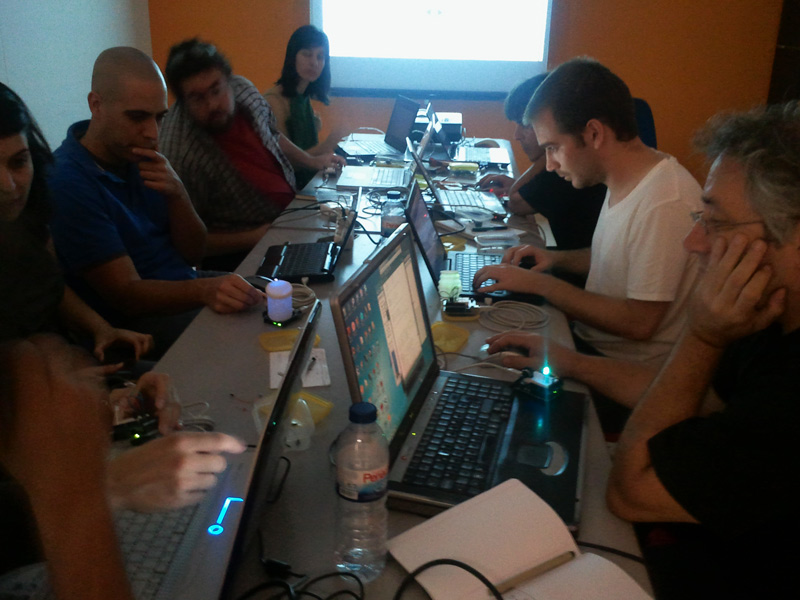
This Tues­day Alt­Lab had its first pub­lic ses­sion and we did a mini work­shop on “paper­duinos”, a new gen­er­a­tion of card­board arduinos. We had lots of fun and have many more ideas we’d like to try: dif­fer­ent lay­outs, col­ored papers, and other mate­ri­als. More info soon.

Go to Top