Faz hoje anos que nascia, em 1736, o engenheiro e inventor escocês James Watt. Ele criou a máquina a vapor que contribuiu substancialmente para a Revolução Industrial. Em 1763 reparou o modelo da máquina a vapor Newcomen pertencente à Universidade de Glasgow, e iniciou experiências sobre as propriedades do vapor. O motor Newcomen era de concepção simples: actuava como uma bomba e um jacto de água fria era utilizado para condensar o vapor. Watt melhorou este design ao adicionar um condensador separado e um sistema de válvulas para fazer o pistão regressar ao topo do cilindro após a descida. Em 1769, ele levou uma patente para o condensador separado. Mais tarde, adaptou o motor ao movimento rotativo, tornando‑o adequado para uma variedade de fins industriais, e inventou o volante de inércia e o regulador.
Faz também hoje anos que nascia, em 1747, o astrónomo alemão Johann Elert Bode. Ele ficou conhecido pela sua popularização da lei de Bode. Em 1766, o seu compatriota Johann Titius tinha descoberto uma curiosa relação matemática nas distâncias dos planetas em relação ao sol. Se a cada número da série 0, 3, 6, 12, 24,… e as respostas divididas por 10, a sequência resultante dá as distâncias dos planetas em unidades astronómicas (terra = 1). Também conhecida como a lei Titius-Bode, a ideia caiu em descrédito após a descoberta de Netuno, que não está em conformidade com a ‘lei’ — nem Plutão. Bode foi director no Observatório de Berlim, onde publicou Uranographia (1801), uma das primeiras tentativas bem sucedidas de mapear todas as estrelas visíveis a olho nu sem qualquer interpretação artística das figuras das constelações estelares.
Por fim, faz hoje anos que nascia, em 1813, o industrialista, metalúrgico, inventor e engenheiro inglês Henry Bessemer. Ele desenvolveu o primeiro processo de fabrico de aço de forma barata (1856), levando ao desenvolvimento do conversor de Bessemer. Bessemer inventou o seu processo de fabrico de aço para resolver um problema específico que perturbava outra das suas invenções, a concha de artilharia autogravada. O conversor removeu as impurezas do ferro fundido por oxidação através do ar a ser soprado através do ferro fundido. A oxidação também aumentou a temperatura da massa de ferro, mantendo‑a derretida. O processo de oxidação removeu impurezas tais como silício, manganês, e carbono como óxidos, que os óxidos ou escapam como gás ou formam uma escória sólida. Ele também resolveu problemas sobre a química dos minérios, combustíveis e aço. Detinha 110 patentes aquando da sua morte.
Na Newsletter desta semana apresentamos diversas noticias, artigos científicos, projetos de maker e alguns vídeos interessantes. É apresentado a HackSpace Magazine nº63 de Fevereiro.
Esta Newsletter encontra-se mais uma vez disponível no sistema documenta do altLab. Todas as Newsletters encontram-se indexadas no link.
Faz hoje anos que nascia, em 1580, o Filósofo, químico, e médico belga Jan Baptista van Helmont. Ele cunhou a palavra “gás” (via khaos grego, espaço vazio), do qual encontrou vários exemplos, a maioria dos quais é de dióxido de carbono natural. Como homem da sua idade, ele foi parte medievalista e parte cientista. Helmont foi o primeiro a reconhecer gases distintos do ar atmosférico. Ele determinou que o gás emitido pela queima do carvão vegetal é o mesmo que o emitido pela fermentação do sumo de uva. A isto deu o nome de spiritus silvestre (“espírito selvagem”); chamamos-lhe dióxido de carbono. Ele também identificou o sulfureto de hidrogénio proveniente do homem, e fez gás acis hidroclorídrico. Como médico e fisiologista, Helmont foi um dos primeiros a aplicar princípios químicos na saúde humana e na doença. Alguns chamam-lhe o “pai dabiochequímica”. Ele foi interrogado pela Inquisição, e passou algum tempo em prisão domiciliária.
Faz também hoje anos que nascia, em 1716, o cientista e oficial naval espanhol Antonio de Ulloa. Ele descobriu o elemento platina (número atómico 78). Em 1735, os governos francês e espanhol enviaram uma expedição científica ao Peru e Equador para medir um grau de meridiano em Quinto, perto da linha do equador. Ulloa foi um dos oficiais nomeados para assumir o encargo da expedição. Em 1744, o navio em que regressou foi capturado pelos britânicos, e foi feito prisioneiro, embora tratado com respeito pelos oficiais navais ingleses, pois eles “não estavam em guerra com as artes e as ciências”. O diário de bordo da sua viagem ao Peru, publicado em 1748, contém uma descrição da platina. Criou o primeiro museu de história natural e o primeiro laboratório metalúrgico em Espanha, assim como o observatório de Cádis.
Faz igualmente hoje anos que nascia, em 1792, o químico sueco Johan August Arfwedson. Ele descobriu lítio (relatado em 1818) num composto obtido a partir de petalite. Este mineral foi encontrado na mina de ferro de Uto, na Suécia. O componente alcalino, denominado lítio, era óxido de lítio. Arfwedson não conseguiu isolar o lítio como metal porque isso exigia electrólise com baterias mais fortes do que as que tinha disponíveis. (A separação acabou por ser feita por Humphry Davy.) Petalite é agora conhecida por ser silicato de lítio e alumínio. Posteriormente, descobriu também lítio em dois outros minerais, spodumene e lepidolite. Arfwedson abandonou o esforço científico para passar o seu tempo a gerir as fábricas e minas da sua família que ele herdou.
Faz também hoje anos que nascia, em 1822, o inventor belgo-francês Étienne Lenoir. Ele concebeu o primeiro motor de combustão interna do mundo com sucesso comercial. Mudou-se para Paris, onde o seu trabalho com galvanização o levou a outras invenções eléctricas, entre as quais um telégrafo ferroviário. Lenoir patenteou o seu primeiro motor em 1860. Parecendo-se muito com um motor a vapor de dupla acção, disparou uma carga de ar não comprimido e gás iluminante com um sistema de ignição da sua própria concepção. Um destes motores alimentava um veículo rodoviário em 1863; outro dirigia um barco. Devido a desenhos melhorados por Nikolaus Otto e outros inventores, o motor Lenoir tornou-se obsoleto e apenas cerca de 500 motores Lenoir foram construídos. O motor Lenoir não era suficientemente eficiente, e o inventor morreu pobre.
Faz igualmente hoje anos que nascia, em 1853, o matemático italiano Gregorio Ricci-Curbastro. Ele foi instrumental no desenvolvimento do cálculo diferencial absoluto (também chamado cálculo Ricci), agora conhecido como análise tensorial. O trabalho inicial de Ricci-Curbastro foi em física matemática, particularmente sobre as leis dos circuitos eléctricos e equações diferenciais. Ele mudou um pouco de área para empreender investigação em geometria diferencial e foi o inventor do cálculo diferencial absoluto entre 1884 e 1894. O cálculo diferencial absoluto de Ricci-Curbastro tornou-se o fundamento da análise tensorial e foi utilizado por Einstein na sua teoria da relatividade geral.
Faz também hoje anos que nascia, em 1903, o físico nuclear soviético Igor Kurchatov. Ele conduziu investigação científica nuclear na União Soviética, durante a qual a sua equipa construiu um ciclotrão, um acelerador de prótons e estudou a radioactividade artificial e as interacções neutrões-protões. Durante a II Guerra Mundial, foi escolhido como director para o desenvolvimento da primeira bomba atómica do seu país, detonada a 29 de Agosto de 1949. Entretanto, em Dezembro de 1946, Kurchatov demonstrou um reactor protótipo em funcionamento, embora limitado a produzir apenas alguns watts e, em Junho de 1948, um reactor de produção de plutónio. Em poucos anos, ele produziu a primeira bomba termonuclear prática do mundo (1952). Antes de 1978, o nome soviético para o elemento-104 era kurchatovium (Ku), embora posteriormente o rutherfordium (Rf) se tenha tornado o nome aceite.
Faz igualmente hoje anos que nascia, em 1907, o engenheiro de foguetes soviético Sergei Korolev. Ele concebeu mísseis guiados, foguetes e naves espaciais. Foi um dos fundadores do Grupo de Moscovo para o Estudo do Movimento Reactivo. Em 1933, participou no primeiro lançamento de um foguetão propulsor líquido da União Soviética. Como não era membro do Partido Comunista, passou grande parte da sua vida sob prisão domiciliária. Após demonstrar a sua perícia na modificação dos foguetes V2 capturados, Korolev dirigiu o projecto, testes, construção e lançamento da nave espacial Vostok, e a maioria dos outros projectos da R.E.U. Por volta de 1958, Korolev defendeu a perseguição de voos espaciais tripulados em vez de satélites de reconhecimento militar. Após muito debate, o projecto Vostok foi aprovado desde que o veículo de lançamento também pudesse ser útil para os militares.
Por fim, faz hoje anos que nascia, em 1934, o inventor e empresário norte-americano James Fergason. Ele é mais conhecido pelo seu trabalho sobre um ecrã de cristais líquidos melhorado, ou LCD. Detinha mais de uma centena de patentes americanas na altura da sua morte.
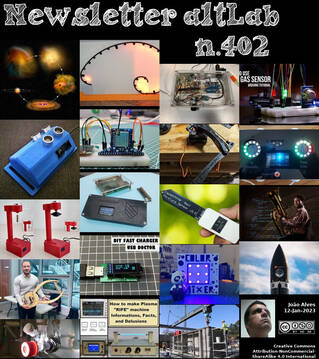
E nesta semana que passou foi lançada a nova família de câmaras para o Raspberry PI. São quatro as variantes diferentes do Módulo 3 da Câmara, a começar pelo preço de 25 dólares. Os Módulos de Câmara têm opções sensíveis à luz visível e infravermelhos, e com um campo de visão padrão ou largo (FoV). E em vez da óptica de focagem fixa dos seus antecessores, o Módulo de Câmara 3 fornece focagem automática motorizada — permitindo tirar imagens nítidas de objectos desde cerca de 5cm até ao infinito.
Na Newsletter desta semana apresentamos diversas noticias, artigos científicos, projetos de maker e alguns vídeos interessantes. É apresentado o livro “Computational Imaging Book”.
Esta Newsletter encontra-se mais uma vez disponível no sistema documenta do altLab. Todas as Newsletters encontram-se indexadas no link.
Faz hoje anos que nascia, em 1771, o inventor e fabricante norte-americano David Wilkinson. Ele patenteou uma máquina de corte de roscas de parafuso que incorporou o suporte da lâmina (14 Dez 1798). Tinha um suporte pesado apoiado em três rolos. Com o seu pai e irmão, Wilkinson forneceu a indústria do algodão, maquinando, fundindo e forjando peças de ferro para construir equipamento de fabrico têxtil para fábricas como Slater Mill, Pawtucket, Rhode Island. Com este negócio para o manter ocupado, Wilkinson não desenvolveu mais a sua máquina de parafusos. O seu negócio falhou no pânico financeiro de 1829. No entanto, a invenção do slide-rest foi amplamente aplicada por outros, especialmente no fabrico de armas de fogo para o governo dos Estados Unidos. Em 1848, pediu ao Congresso uma recompensa financeira pela sua invenção e recebeu 10.000 dólares.
Faz também hoje anos que nascia, em 1838, o matemático e engenheiro francês Camille Jordan. Ele preparou uma base para a teoria de grupo e construiu sobre o trabalho anterior de Évariste Galois. Como matemático, os interesses de Jordan eram diversos, cobrindo tópicos ao longo dos aspectos da matemática em estudo na sua época. Os tópicos dos seus trabalhos publicados incluem grupos finitos, álgebra linear e multilinear, teoria dos números, topologia dos poliedros, equações diferenciais, e mecânica.
Faz igualmente hoje anos que nascia, em 1855, o inventor e fabricante norte-americano King C. Gillette. Ele inventou e fabricou a lâmina de barbear de segurança com lâminas descartáveis. Após esforços persistentes para inventar algo que todos usariam, em 1895 produziu uma versão em bruto de uma lâmina de barbear descartável. levou mais seis anos para refinar a sua invenção. A 15 de Novembro de 1904 foi-lhe concedida a patente norte-americana nº 775.134 pela sua ideia e fundou a Gillette Safety Razor Company em Boston, Mass., para fabricar a sua lâmina de barbear e as suas lâminas. Em 1903, vendeu 168 lâminas, mas no ano seguinte vendeu 90.000 lâminas de barbear e mais de 12 milhões de lâminas. Embora tenha permanecido presidente da empresa até 1931, retirou-se para Los Angeles em 1913, tendo-se tornado um milionário. Utópico, escreveu quatro livros que traduzem a sua experiência empresarial em teorias sociais, culminando com The People’s Corporation (1924).
Por fim, faz hoje anos que nascia, em 1909, o matemático e lógico norte-americano Stephen Cole Kleene. Ele dedicou-se à pesquisa sobre a teoria dos algoritmos e funções recursivas. Desenvolveu o campo da teoria da recursividade com Church, Gödel, Turing e outros. Contribuiu para o Intuicionismo matemático que tinha sido fundado por Brouwer. O seu trabalho sobre a teoria da recursividade ajudou a fornecer os fundamentos da informática teórica. Ao fornecer métodos para determinar que problemas são solúveis, o trabalho de Kleene levou ao estudo de que funções podem ser computadas.
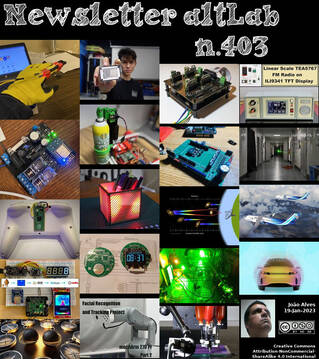
E começou hoje em Las Vegas a CES 2023, esta feira de novidades tecnológicas dá o pontapé de saída para as novidades que vão ser introduzidas ao longo deste ano. Juntando mais de 3200 expositores e mais de 4700 jornalistas nela estão já a ser apresentadas as principais novidades por parte dos grandes players tecnológicos actuais. Destes destaca-se a materialização de um projecto lançado na CES 2020 por parte da Sony com o seu prototipo Afeela, um veiculo eléctrico fruto de uma parceira com a Honda. É também de destacar a presença de diversos construtores automóveis que quiseram mostrar as suas principais novidades. Destes destacam-se a BMW e a Stellantis. No mundo mais tecnológico, a Qualcomm, a Samsung, a AMD e a Intel, apresentam novos produtos em diversas áreas. A Feira decorre entre hoje e o dia 9 de Janeiro em formato presencial e híbrido.
Na Newsletter desta semana apresentamos diversas noticias, artigos científicos, projetos de maker e alguns vídeos interessantes. É apresentado o livro “PCB Design Tutorial”.
Esta Newsletter encontra-se mais uma vez disponível no sistema documenta do altLab. Todas as Newsletters encontram-se indexadas no link.
Faz hoje anos que nascia, em 1800, o inventor norte-americano [Charles Goodyear](https://en.wikipedia.org/wiki/Charles_Goodyear). Ele cozeu borracha misturada com enxofre e descobriu o processo de vulcanização que tornou a borracha prática como um produto comercial. Anteriormente, a borracha tinha uma utilização limitada, uma vez que congelava com força no Inverno e grudava no Verão. Após anos de experimentação persistente, Goodyear tinha criado um composto duro, curado, capaz de resistir ao calor e ao stress. Infelizmente, era um pobre homem de negócios, incapaz de lucrar com a sua invenção ou de a patentear efectivamente no estrangeiro. O nome “vulcanizado” foi aplicado pelo pioneiro inglês da borracha Thomas Hancock, usando a sugestão de um amigo para dar ao processo o nome de Vulcan, o deus romano do fogo. A Goodyear também nunca foi ligada à Goodyear Tire & Rubber Co. que foi nomeada em sua honra.
Faz também hoje anos que nascia, em 1813, o químico industrial britânico [Alexander Parkes](https://en.wikipedia.org/wiki/Alexander_Parkes). Ele era um perito em galvanoplastia, capaz de plastificar objectos tão diversos como uma teia de aranha e flores. Patenteou um método de revestimento de tecidos de borracha para os impermeabilizar (1841), um processo de galvanoplastia (1843), e um método de extracção de prata do minério de chumbo por adição de zinco (1850). Produziu o primeiro plástico (1855), a que chamou Parkesine, dissolvendo o nitrato de celulose em álcool e cânfora contendo éter. O resultado sólido duro podia ser moldado quando aquecido, mas ele não encontrou mercado para o material. (Isto foi redescoberto na década de 1860 por John Wesley Hyatt, um químico americano, que lhe deu o nome de celulóide e o comercializou com sucesso como um substituto do marfim).
Faz igualmente hoje anos que nascia, em 1856, o matemático holandês [Thomas Joannes Stieltjes](https://en.wikipedia.org/wiki/Thomas_Joannes_Stieltjes). Ele foi um pioneiro no campo dos problemas do momento e contribuiu para o estudo das fracções contínuas. O Instituto Thomas Stieltjes de Matemática da Universidade de Leiden, dissolvido em 2011, recebeu o seu nome, assim como a integral Riemann-Stieltjes.
Por fim, faz hoje anos que nascia, em 1905, o engenheiro electrotécnico franco-americano [Henri-Gaston Busignies](https://en.wikipedia.org/wiki/Henri_G._Busignies). Ele é responsável pela invenção de localizadores de direcção de alta frequência (HF/DF, ou “Huff Duff”) que permitiram à Marinha dos EUA durante a Segunda Guerra Mundial detectar transmissões inimigas e localizar rapidamente a direcção de onde vinha uma transmissão rádio. Busignies inventaram a bússola radio-eléctrica (1926) quando ainda era estudante no Colégio Jules Ferry, em Versalhes, França. Em 1934, começou a desenvolver o localizador de direcção com base na sua anterior bússola radio. Busignies desenvolveu o indicador de alvo móvel para radar em tempo de guerra. Ele apagou do ecrã do radar todos os ecos de objectos estacionários e deixou apenas ecos de objectos em movimento, tais como aviões.
Em 1987, o cosmonauta Yuri Romanenko regressa à Terra, terminando o seu recorde de 326 dias de voo espacial em órbita da Terra na estação espacial de Mir. A nave espacial Soyuz aterrou num local coberto de neve no Cazaquistão. A sua estadia no espaço bateu o anterior recorde soviético de 237 dias. Romanenko entrou em órbita em 6 de Fevereiro de 1987 com o engenheiro de voo Alexander Laveikin que sofreu problemas cardíacos cinco meses mais tarde e foi substituído por Alexander Alexandrov. Eles conduziram 1.000 experiências em biologia, medicina, processamento de materiais e geologia. Romanenko e Alexandrov utilizaram o laboratório gigante de astrofísica Kvant (Quantum) ligado à Mir para recolher dados de partes remotas do sistema solar. Num total de 3 missões espaciais, acumulou 430,76 dias no espaço.
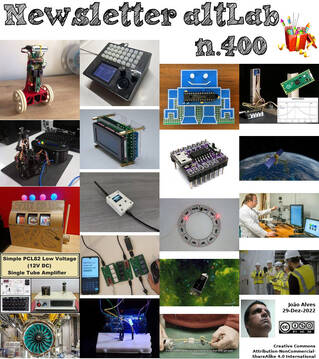
Na Newsletter desta semana apresentamos diversas noticias, artigos científicos, projetos de maker assim como alguns videos interessantes. São apresentados os livros “The Linux Command Line” e “Adventures with the Linux Command Line”. Esta é a newsletter Nº400. Durante 400 semanas preparei esta newsletter com os artigos que fui recolhendo que seriam úteis. Este projeto, se é que assim se pode chamar, foi lançado a 5 de Maio de 2015 e ao longo destes quase sete anos foram indexados aqui na newsletter mais de vinte e dois mil artigos das mais diversas origens e assuntos. Sendo esta a ultima newsletter do ano, resta-me desejar um excelente ano de 2023 a todos e esperar que este novo ano seja melhor que o atual.
Esta Newsletter encontra-se mais uma vez disponível no sistema documenta do altLab. Todas as Newsletters encontram-se indexadas no link.
Faz hoje anos que nascia, em 1732, o industrialista e inventor inglês Richard Arkwright. Ele ficou conhecido por ter introduzido métodos de produção de fábricas têxteis mecanizados e motorizados que foi enormemente bem sucedida. A máquina Spinning-Frame que ele inventou (1769, patente britânica nº 931) para fiar fio de algodão utilizava múltiplos conjuntos de rolos emparelhados que giravam a diferentes velocidades capazes de extrair fio com a espessura correcta, e um conjunto de fusos para torcer as fibras firmemente juntas. Produziu um fio muito mais forte do que o fio feito pela Spinning-Jenny de James Hargreaves. A máquina de Arkwright era demasiado grande para ser accionada manualmente, por isso ele alimentou‑a com uma roda de água (1771) quando ficou conhecida como a Moldura de Água. O negócio têxtil de Arkwright expandiu-se, ele construiu mais fábricas, e mais tarde adoptou a força do vapor.
Faz também hoje anos que nascia, em 1765, o matemático alemão Johann Friedrich Pfaff. Ele propôs o primeiro método geral de integração de equações diferenciais parciais da primeira ordem. Pfaff fez um trabalho importante sobre funções especiais e a teoria das séries. Ele desenvolveu o Teorema de Taylor utilizando a forma com o restante como dado por Lagrange. Em 1810 contribuiu para a solução de um problema devido a Gauss relativo à elipse da maior área que podia ser desenhada dentro de um determinado quadrilátero. O seu trabalho mais importante sobre as formas de Pfaff foi publicado em 1815, quando tinha quase 50 anos, mas a sua importância só foi reconhecida em 1827, quando Jacobi publicou um artigo sobre o método de Pfaff.
Faz igualmente hoje anos que nascia, em 1799, o físico irlandês Nicholas Callan. Ele foi pioneiro na ciência eléctrica. Ele inventou a bobina de indução (1836) antes da do mais conhecido Heinrich Ruhmkorff. A bobina de Callan foi construída utilizando uma bobina de ferro em forma de ferradura com uma bobina secundária de fio isolado fino sob um enrolamento separado de fio isolado grosso como bobina “primária”. Cada vez que a corrente de uma bateria através da bobina “primária” era interrompida, uma corrente de alta tensão era produzida na bobina “secundária” separada electricamente. Em 1837, Callan utilizou um mecanismo de relógio para abanar um fio dentro e fora de um pequeno copo de mercúrio para interromper o circuito 20 vezes/segundo numa máquina de indução gigante, produzindo faíscas de 15 polegadas (estimadas em 600.000 volts).
Faz também hoje anos que nascia, em 1876, o engenheiro e metalúrgico sueco-americano Gustav Waldemar Elmen. Ele criou a Permalloy (1916) e ligas conexas com alta permeabilidade magnética utilizadas em equipamento de comunicações. Uma liga com esta propriedade pode ser facilmente magnetizada e desmagnetizada, especialmente útil para aplicações em equipamento eléctrico, telefones e outros sistemas de comunicações. Desenvolveu a Permalloy de níquel-ferro em 1916, para a Western Electric Company (mais tarde Bell Telephone Laboratories). Mais tarde, em 1923, Elmen descobriu que a permeabilidade magnética poderia ser dramaticamente aumentada se Permalloy fosse tratada com calor. A sua permeabilidade magnética excedeu a do aço de silício. A sua descoberta tornou possível cabos telegráficos de grande capacidade de transporte de mensagens em alto mar.
Por fim, faz hoje anos que nascia, em 1887, o matemático indiano Srinivasa Ramanujan. Ele fez um notável trabalho sobre séries hipergeométricas e fracções contínuas. Na teoria dos números, ele descobriu propriedades da função de partição. Embora autodidacta, ele foi um dos maiores génios matemáticos da Índia. Trabalhou em funções elípticas, fracções contínuas, e séries infinitas. A sua notável familiaridade com os números, foi demonstrada pelo incidente seguinte. Enquanto Ramanujan estava no hospital em Inglaterra, o seu professor de Cambridge, G. H. Hardy, visitou e observou que tinha apanhado o táxi número 1729, um número singularmente inexcepcional. Ramanujan respondeu imediatamente que este número era de facto bastante notável: é o menor número inteiro que pode ser representado de duas maneiras pela soma de dois cubos: 1729=1^3+12^3=9^3+10^3.
Em 1882, o primeiro fio de luzes eléctricas a decorar uma árvore de Natal foi criado para a sua casa por Edward H. Johnson, um associado de Thomas Edison. Anteriormente, as árvores tinham sido decoradas com velas de cera. A edição de Dezembro de 1901 do Ladies’ Home Journal anunciava as lâmpadas da árvore de Natal, feitas pela primeira vez comercialmente pela Edison General Electric Co. of Harrison, N.J. em cordas de nove tomadas, cada uma com uma miniatura de 2 velas, 32 volts, lâmpada de filamento de carbono*. As luzes das árvores de Natal rapidamente se tornaram a fúria entre os americanos ricos, mas o cidadão médio só as utilizou nos anos 20 ou mais tarde. As lâmpadas de caracteres tornaram-se populares nos anos 20, as lâmpadas de bolhas nos anos 40, as lâmpadas cintilantes nos anos 50 e as lâmpadas de plástico em 1955.
Na Newsletter desta semana apresentamos diversas noticias, artigos científicos, projetos de maker assim como alguns videos interessantes. São apresentadas as revistas MagPi nº 125 e Hackspace Magazine Nº 62 de Janeiro de 2023, assim como o livro C &GUI Programming 2nd Edition. Aproveito para desejar a todos votos de Boas Festas.
Esta Newsletter encontra-se mais uma vez disponível no sistema documenta do altLab. Todas as Newsletters encontram-se indexadas no link.