mm

mm

(2 comments, 57 posts)

Mauricio Martins.
mauricio at ledsandchips.com

[EN]
Coordinator of altLab Lisbon’s Hackerspace, a community-based and community-building collective dedicated to independent research. Maker of Things, Tinkerer, and Open Source advocate. Works mainly as Collaborative Project Developer focused on DIY Experimentation with Electronics, Physical Computing and Digital Fabrication.

[PT]
Actual coordinator of Altlab – Lisbon’s Hackerspace

Experiência em eletrónica, desenho de interação e vídeo produção.
Defensor e promotor do uso do software e hardware livres (open-source software&hardware).
Desenvolve projetos nas áreas de computação física, interfaces tangíveis e interativas.
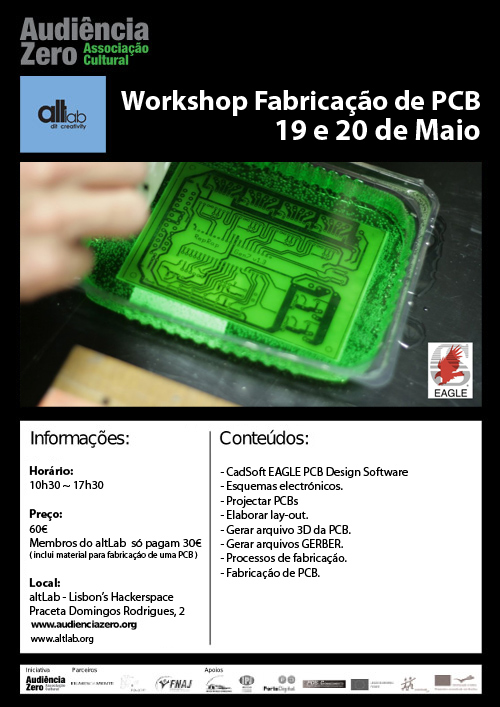
Organiza workshops na área do DIY (do it yourself) e fabricação digital.
Colabora com diversos artistas portugueses no desenvolvimento de soluções interativas.

1998 – 2002 : É diretor técnico audiovisual Praça Sony, Expo’98. – Lisboa
2002 – > : Lança website dvpt.com para prestação de serviços audiovisuais.
2010 : Participa como colaborador no Interactivos’10, Medialab Prado – Madrid.
2010 – > : Coordena altLab – Lisbon´s Hackerspace.
2010 – > : Colabora na área de hardware para computação física nas empresas NearInteraction e ArticaCC.
2010 : Participa na residência AZ no Espaço do Tempo – Montemor-o-Novo.
2011 : Organiza e coordena evento na área da fabricação digital, FabriCamp LX1 no Pavilhão do Conhecimento – Lisboa.
2011 – > : Lança website ledsandchips.com para prestação de serviços e venda de artigos na área da computação física.
2011 : Organiza e coordena Residência AZ “Tangíveis” no Espaço do Tempo – Montemor-o-Novo.
2011 : Idealiza projeto “Nuclear Taco Helmet Sensor Gameshow” e coordena equipa vencedora do primeiro prémio do público no Codebits V.
2011 – 2012 : Organiza workshops na área da Eletrónica DIY no Festival Cidade PreOcupada – Montemor-o-Novo.
2012 : Desenvolve em conjunto com a empresa ArticaCC soluções interactivas para campanha publicitária da Adidas na Liga dos Campeões. – Munique.
2012 : Organiza e coordena workshop para construção de impressoras 3D no FabLab EDP.
2012 : Participa a convite do Pav. do Conhecimento no workshop “Thinkering Studio Implementation” no Exploratorium. – São Francisco, EUA.

Home page: http://ledsandchips.com

Posts by mm

Nuclear Taco Sensor Helmet Gameshow

33


by 
Mauri­cio Mar­tinsTiago RorkeFil­ipe CruzTiago Farto and Fer­di­nand Meier

Nuclear Taco Sen­sor Hel­met Gameshow is the name of our project entry for the 48h hack project of Sapo Codeb­its 2011. The aim of the com­pe­ti­tion was to develop a project dur­ing 48 hours and present it in 90 sec­onds to a live audi­ence. Out of over 80 pro­posed projects, 65 were pre­sented live.
We won the 1st place of the pub­lic voting.

Abstract

The 48h project con­sisted of build­ing a hel­met device with humid­ity, tem­per­a­ture and fluid intake sen­sors, used to record and mea­sure the reac­tion of nuclear taco vic­tims of Codeb­its 2011 Nuclear Taco Chal­lenge. The sen­sors and ser­vos are con­nected by Arduino. 6 time­lapse videos were recorded doc­u­ment­ing the user expe­ri­ence. The 1:30 project pre­sen­ta­tion was in the style of a Japan­ese gameshow using Open­Frame­works. The host dis­played using face sub­sti­tu­ion tech­nol­ogy in realtime.

Moti­va­tion

Our moti­va­tion to develop this project was the following:

  • Do some­thing fun with sen­sors and Arduino, that would show peo­ple how easy it is to use these things.
  • Show­case appli­ca­tions of recent Face Track­ing and Face Sub­sti­tu­tion technology.
  • Do a pre­sen­ta­tion for­mat that would not leave any­one indif­fer­ent to our project.
  • Bring atten­tion to the cre­ative com­mu­nity we have in the Audiên­cia Zero hacker spaces in Por­tu­gal (LCD in Porto / GuimarãesxDA in Coim­braalt­Lab in Lis­bon), in hopes of get­ting new members.
  • Take home some new hardware.

Video of Presentation


Nuclear Tacos Sen­sor Hel­met Gameshow @Codebits 2011 from alt­lab Lisbon’s Hack­er­space on Vimeo.

Before Codeb­its

Con­cept

At Sapo Codeb­its 2010 the event orga­niz­ers held a nuclear taco chal­lenge dur­ing one of the nights of the event. Many brave atten­dees spent their last day of the event in severe dis­com­fort, curs­ing their ide­al­ized brav­ery. No mem­bers of our team were brave enough to take on the nuclear taco chal­lenge but the mem­o­ries of every­one else suf­fer­ing lin­gered on with us. Then one day a light­bulb was turned on inside Mauri­cio Mar­tins’s head when he saw a tv com­er­cial for MEO fea­tur­ing Ricardo Araujo and an “all Amer­i­can” beer helmet.

The idea Mauri­cio had awaken inside his head was to use his Arduino and sen­sors exper­tise to pimp that beer hel­met into a nuclear taco sen­sor device of some sort. He began look­ing for the pieces required.

By the way, if you want to learn how to use Arduinos for ran­dom projects, there are some work­shops at alt­Lab on a reg­u­lar basis.

Hard­ware

The hel­met itself was quite hard to find for sale in Por­tu­gal. After many searches on the inter­net, we ended up buy­ing it at epia.com for 10 euros.

The Arduino, LEDs, tem­per­a­ture and humid­ity sen­sor were eas­ily acquired any­where online. The flow mea­sure­ment sen­sor was alot harder to find, we ended up buy­ing it sec­ond hand from ebay.

The web­cam for the head mounted view used was a Microsoft Life­Cam VX-2000 bought by 20 euros.

Over­all the hard­ware cost was around 60 euros.

Brain­storm

While Mauri­cio was search­ing for the hel­met he recruited two new mem­bers for our team. To assist with the hard­ware the Luso — New Zealandinsh Tiago Rorke, a semi-regular alt­Lab atten­der. And to han­dle the pre­sen­ta­tion for­mat, the Por­tuguese demoscener emi­grated in Helsinki, Fin­land Fil­ipe Cruz, who had already col­lab­o­rated with Mauri­cio on a Codeb­its project in 2010 (the Blind Pong project).

A cou­ple of weeks before the event, Mauri­cio and Tiago Rorke got together to write a first abstract descrip­tion of the project, do some sketches of the ide­al­ized hel­met and sent the text to Fil­ipe. Few days later the three of them had a skype call to define the pre­sen­ta­tion for­mat and hear Fil­ipe explain his con­cept idea of hav­ing a japan­ese gameshow style of pre­sent­ing the project to the public.


A cou­ple days before the event the three mem­bers of the team finally man­aged to get together phys­i­cally to dis­cuss the project in per­son. Tak­ing the opor­tu­nity to test some com­po­nents (the sen­sors, the Face­Track­ing library by Arturo Cas­troKyle McDon­ald and Jason Saragih) and more impor­tantly: to decide on a final name for the project. Nuclear Taco Sen­sor Hel­met Gameshow was the decision.

Dur­ing Codebits

Thurs­day

Mauri­cio and Tiago Rorke spent the day work­ing on the hel­met, mostly build­ing and test­ing the sen­sors with the Arduino and decid­ing on how they would be placed on the hel­met. Fer­di­nand Meier, a res­i­dent mem­ber of alt­Lab was recruited to help print­ing small pieces for the hel­met with the Maker­bot.

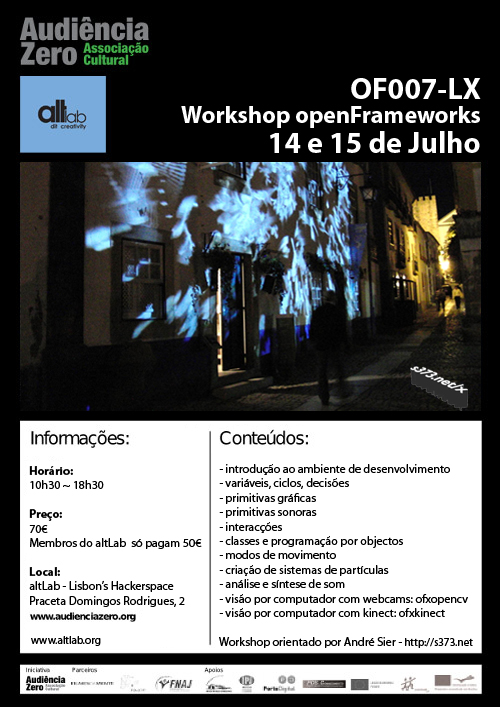
Fil­ipe arrived late and started work­ing ime­di­atly on the frame­work for the pre­sen­ta­tion usingOpen­Frame­works, mostly test­ing back­ground effects in a Japan­ese swish swash style and try­ing to close the pre­sen­ta­tion sto­ry­board. Fer­di­nand who was already a new mem­ber of the project at this point offered his Blender skills to cre­ate a model of the hel­met in 3D to be used in the presentation.

While the hard­ware guys were strug­gling with the sen­sors, Fil­ipe was test­ing ofx3DModelLoader with Ferdinand’s 3D model exports of the hel­met. Sev­eral 2D ren­ders of Japan­ese vir­tual idol Hat­sune Miku mod­el­ling our hel­met were also taken. The open source 3D model of Miku was taken from blender­na­tion. We had to rush this process since Ferd had to leave the Codeb­its event that night to attend a con­fer­ence in Porto.

We did not attend the Ele­va­tor Pitch talk.

Tiago Farto was recruited to help with the graphic effects of the pre­sen­ta­tion. The back­ground effects you see are all run­ning on pix­elshaders real­time under open­frame­works. It was not triv­ial to get the shaders setU­ni­form to han­dle tex­tures prop­erly under open­Frame­works. We spent quite a few hours debug­ging and wild guess­ing their frame­work since nei­ther Fil­ipe nor Tiago had expe­ri­ence run­ning shaders on openFrameworks.

Dur­ing the night we were one of the few teams still left hard at work at the par­ty­place at 3 am. Mauri­cio and Tiago Rorke fin­ish­ing the hel­met — test­ing the liq­uid flow sen­sor, build­ing the ser­vos, glu­ing the led struc­tures, paint­ing the helmet.


Fri­day

We didn’t man­age to sleep much on the first night of the event, some of us were falling asleep on our com­put­ers while still try­ing to get some work done. We started hav­ing to turn down folks who were com­ing to ask us to print ran­dom things on the maker­bot. We sadly had to do this because we were so busy fin­ish­ing the project for the com­pe­ti­tion. The hel­met needed to be fin­ished and ready for the codeb­its nuclear taco chal­lenge which was hap­pen­ing at 19:00.

Mauri­cio and Tiago fin­ished the hel­met, attached the head cam­era and went to the Taco Chal­lenge area to record some footage. Tiago worked on the title screen flames effect while Fil­ipe re-structured the frame­work and tested the video play­back right before hav­ing to head out to give his speaker talk “Crash course on Phone­gap + Sen­cha Touch”.

Mauri­cio and both Tia­gos went to the taco lounge and man­aged to record footage from 6 vol­un­teers wear­ing our hel­met while eat­ing their nuclear tacos. Big thanks to Pedro Umbe­lino, Daniel Fre­itas, Pedro Silva, Tomé Duarte, Joana Fer­reira and Artur Goulão for their assis­tance! We ended up only using 4 of the 6 videos.

Photo by Nuno Dan­tas

Mean­while, back at the alt­Lab table Fil­ipe had ended his speaker talk and was back to work on the pre­sen­ta­tion code with some inter­rup­tions to try and find out where the con­fes­sion­ary room where we were sup­posed to present our project 1 hour ago was located. He failed. Noti­fied Mauri­cio and decided to attend the speak­ers din­ner instead.

Upon return, Fil­ipe man­aged to find where the con­fes­sion­ary room was located while the rest of the project folks attended the Scor­pi­ons con­cert. We finally man­aged to get skype inter­viewed by chew­bacca and darth vader. It went rather well and we were hope­ful that our project would get selected for the group A of projects pre­sent­ing live on stage.

The rest of the night was spent edit­ing video and find­ing the per­fect Japan­ese face to use on the Face­Track­ing part of the pre­sen­ta­tion. Shido Naka­mura was the final selec­tion. Fil­ipe had some night­mares about for­get­ting what to say live on stage and screw­ing up the Japan­ese accent. Tiago Rorke ended up work­ing another all nighter doing some video edit­ing and draw­ing a 2d taco for the presentation.

By the way, the music we used for the final part is ParagonX9 — Chaoz Air­flow, avail­able under a Cre­ative Com­mons by-nc-sa license. And the short clip of Japan­ese crowd cheer­ing was snipped from a ran­dom youtube video of a ran­dom Japan­ese gameshow which we can’t find anymore.

Sat­ur­day

We all woke up later then planned and feel­ing some­what sick and tired of work­ing on the project. But one final effort was still needed, the pre­sen­ta­tion had to be perfect!

We did a few iter­a­tions of the final chal­lenge video, adding sound effects and test­ing the length. The sto­ry­board still suf­fered a few small changes to cre­ate big­ger crescendo impact. Last minute over­lay graph­ics of the sen­sors were designed by Tiago Farto and quickly inserted.

Test on the stage proved the face­track­ing could work with­out addi­tional light­ing. Every­thing seemed more or less ready. Just one more ren­der of the final video with some more small impor­tant changes required.

Pre­sen­ta­tion had some glitches but went rather well. The crowd man­aged to get into it and that was reflected heav­ily on the vot­ing. Great pos­i­tive reac­tions both in per­son and through the twit­ter feed. We were very pleased and look­ing for­ward to the prize giv­ing. Tiago Farto had to leave early and Ferd never man­aged to come back to Codeb­its since Thurs­day, so we were left only 3 of us, Mauri­cio Mar­tins, Fil­ipe Cruz and Tiago Rorke to col­lect the prizes!

We won the 1st place pub­lic award and offered the sen­sor hel­met device to the Codeb­its orga­niz­ers inform­ing them that all the peo­ple involved with orga­niz­ing the Nuclear Taco Chal­lenge had to take pic­tures of them­selfs wear­ing the hel­met and upload them to the internet.

Con­clu­sions

Domo Ari­gato to every­one for your feed­back and sup­port. We are very happy you liked our project. Please come and join alt­Lab or another Audi­en­cia Zero hack­lab closer to you. We need more peo­ple shar­ing knowl­edge and doing things with technology.

Source Code

Source code github repo.

Sup­port

If you liked our project, please flattr it to sup­port our hacker space labs.

Nuclear Taco Sensor Helmet Gameshow @ Codebits 2011

0


We went to Codeb­its again this year to show­case the maker­bot and work on a project for the 48h con­test called the Nuclear Taco Sen­sor Hel­met Gameshow. We won!


You can read more about here 

or just watch the video below to under­stand the hype.

Doming a Soldar!

0


+ info e inscrições aqui

Our Founder @ adafruit #ADA11 Ada Lovelace Day!

0

#ADA11 – Cata­rina Mota, open­Ma­te­ri­als


#ADA11 – Cata­rina Mota, open­Ma­te­ri­als

I’m cofounder of open­Ma­te­ri­als (a col­lec­tive research project ded­i­cated to gath­er­ing and shar­ing data on uses and pro­duc­tion meth­ods of mate­ri­als), of alt­Lab (Lisbon’s hack­er­space), of fab­ri­Cul­ture (a project ded­i­cated to pro­mot­ing open source dig­i­tal fab­ri­ca­tion and maker cul­ture in gen­eral), and a mem­ber of NYC Resistor.

I’m a phd can­di­date at FCSH-UNL and a vis­it­ing scholar at ITP-NYU. My aca­d­e­mic research is funded by a fel­low­ship from the Sci­ence and Tech­nol­ogy Foun­da­tion of Por­tu­gal and the UTAustin|Portugal program.

Also helps run the Open Hard­ware Summit!


About today:

Ada Lovelace Day is an inter­na­tional day of blog­ging (vide­olog­ging, pod­cast­ing, comic draw­ing etc.!) to draw atten­tion to the achieve­ments of women in tech­nol­ogy and science.

Who is your heroine?

Do you remem­ber which women have influ­enced you over the years?

Per­haps your maths teacher, one of your uni­ver­sity lec­tur­ers, or a col­league?
This Ada Lovelace Day on Octo­ber 7, share your story about a woman — whether an engi­neer, a sci­en­tist, a tech­nol­o­gist or math­e­mati­cian — who has inspired you to become who you are today. Write a blog post, record a pod­cast, film a video, draw a comic, or pick any other way to talk about the women who have been guid­ing lights in your life. Give your hero­ine the credit she deserves!

Who was Ada? Ada Lovelace Augusta Ada King, Count­ess of Lovelace (10 Decem­ber 1815 – 27 Novem­ber 1852) was one of the world’s first com­puter pro­gram­mers, and one of the first peo­ple to see com­put­ers as more than just a machine for doing sums. She wrote pro­grams for Charles Babbage’s Ana­lyt­i­cal Engine, a general-purpose com­put­ing machine, despite the fact that it was never built. She also wrote the very first descrip­tion of a com­puter and of software.

If you’re look­ing to spark the mind of a friend, daugh­ter, sis­ter, cousin, mother, aunt, any­one really — elec­tron­ics is a won­der­ful hobby and per­haps a career. We’re doing this sale with the hopes of turn­ing on some minds to sci­ence, engi­neer­ing and curios­ity about how things work. We hope you enjoy the sale, the projects and the con­tent we have planned for today.

Today only, if you want to save 10% off on EVERYTHING at Adafruit use the code ADA11 on check out. Code is live for today only, one use per cus­tomer. Give a gift of elec­tron­ics and learn­ing to a spe­cial girl in your life.

Filed under: ald — by adafruit, posted Octo­ber 7, 2011 at 7:30 pm

CODEBITS V — Of course, we’ll be there!

0


The AZ Lab Net­works (LCD, Alt­Lab and xDA) will be @ Codeb­its V help­ing atten­dees in their projects!

If you need some help with elec­tron­ics, sol­der­ing some cir­cuits, in your phys­i­cal com­put­ing project, do some 3D Print­ing or ran­dom talk­ing about hack­ing and hack­er­spaces, join us! We will have a ded­i­cated area as usual ;)

see you there!

Steve Jobs 1955–2011

0

Your work is going to fill a large part of your life, and the only way to be truly sat­is­fied is to do what you believe is great work. And the only way to do great work is to love what you do…” – Steve Jobs

Steve Jobs 1955–2011

Um novo Laboratório da AZ Labs Network ;)

1


Guimarães 2012 inau­gura Lab­o­ratório de Cri­ação Dig­i­tal

O pro­jecto Lab­o­ratório de Cri­ação Dig­i­tal (LCD), inserido na pro­gra­mação de Guimarães 2012 Cap­i­tal Europeia da Cul­tura, é inau­gu­rado no dia 4 de Out­ubro, às 21h30, no Cen­tro para os Assun­tos da Arte e Arqui­tec­tura (CAAA). Trata-se de um espaço aberto de cri­ação e exper­i­men­tação, colab­o­ra­tivo e mul­ti­dis­ci­pli­nar, no domínio das artes dig­i­tais e mul­ti­mé­dia. O LCD está divi­dido em qua­tro grandes modal­i­dades: lab­o­ratórios, work­shops, sprints e encontros/mostras de pro­jec­tos. O objec­tivo é pro­mover o desen­volvi­mento de activi­dades de cri­ação, ensino e inves­ti­gação na inter­secção entre arte, ciên­cia e tec­nolo­gia, através da for­mação de equipas mul­ti­dis­ci­pli­nares que reú­nam artis­tas, inves­ti­gadores, pro­gra­madores, cien­tis­tas e curiosos, num colec­tivo dinâmico de criadores.


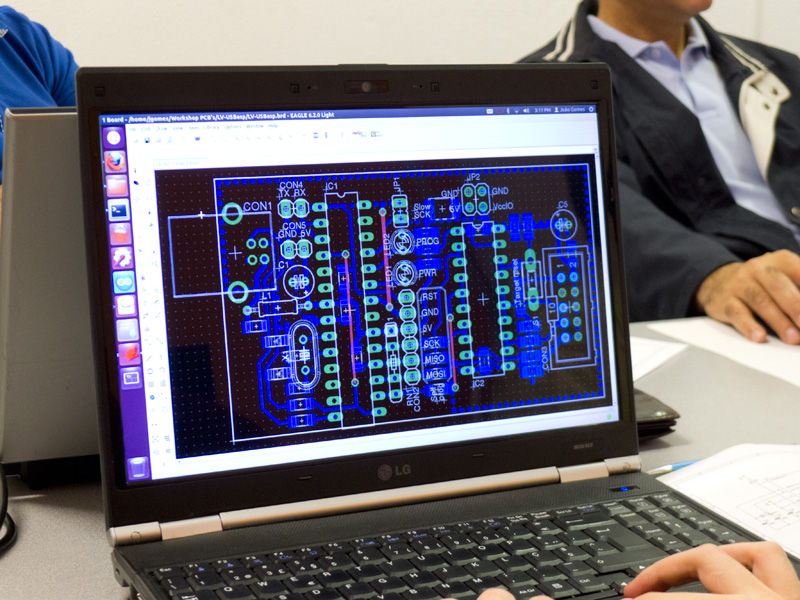
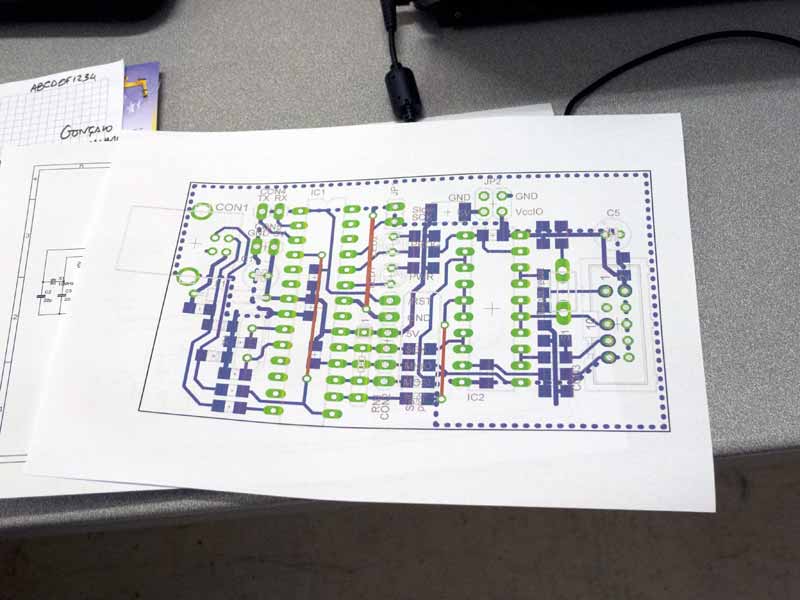
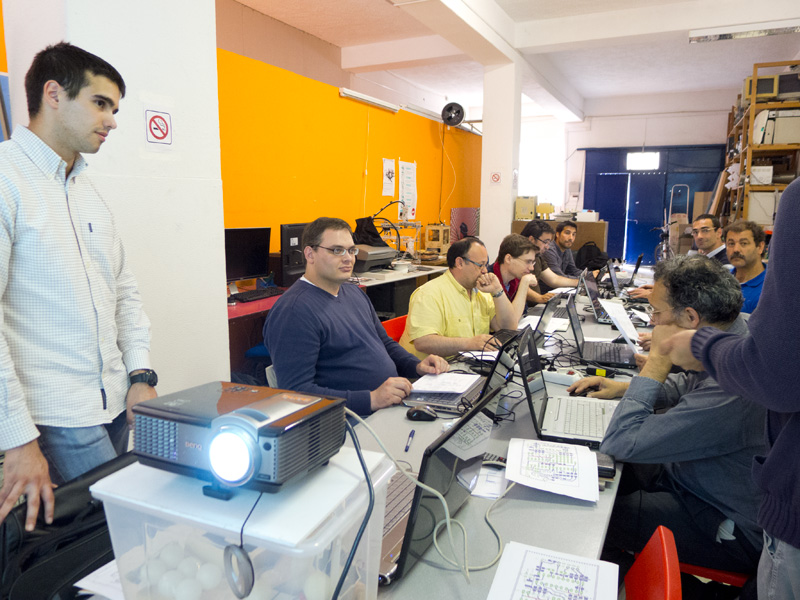
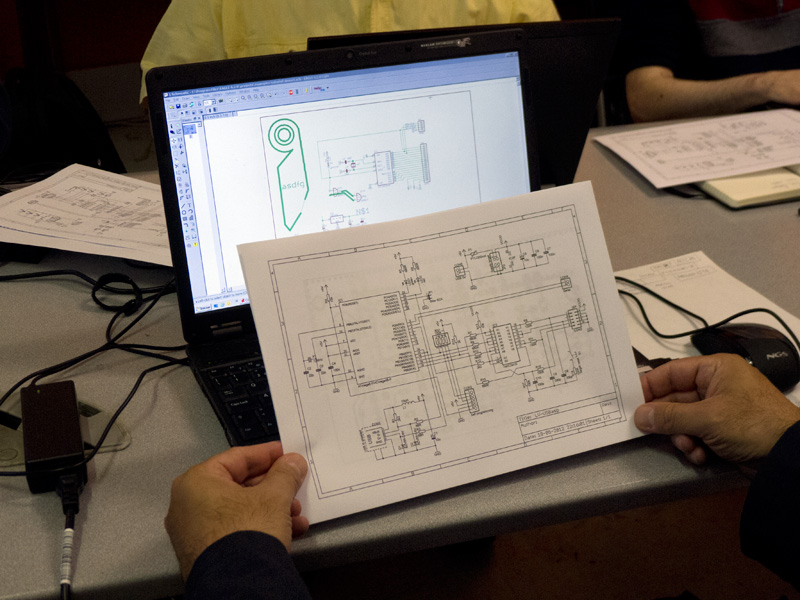
Workshop Arduino Shields II — Photo Report

0


Workshop PhoneGap + Sencha Touch

0


Workshop Plataformas de Desenvolvimento para Smartphones

+ info e inscrições aqui

Workshop Arduino Shields

0


ArduinoShields-II

+ info e inscrições aqui

mm's RSS Feed
Go to Top